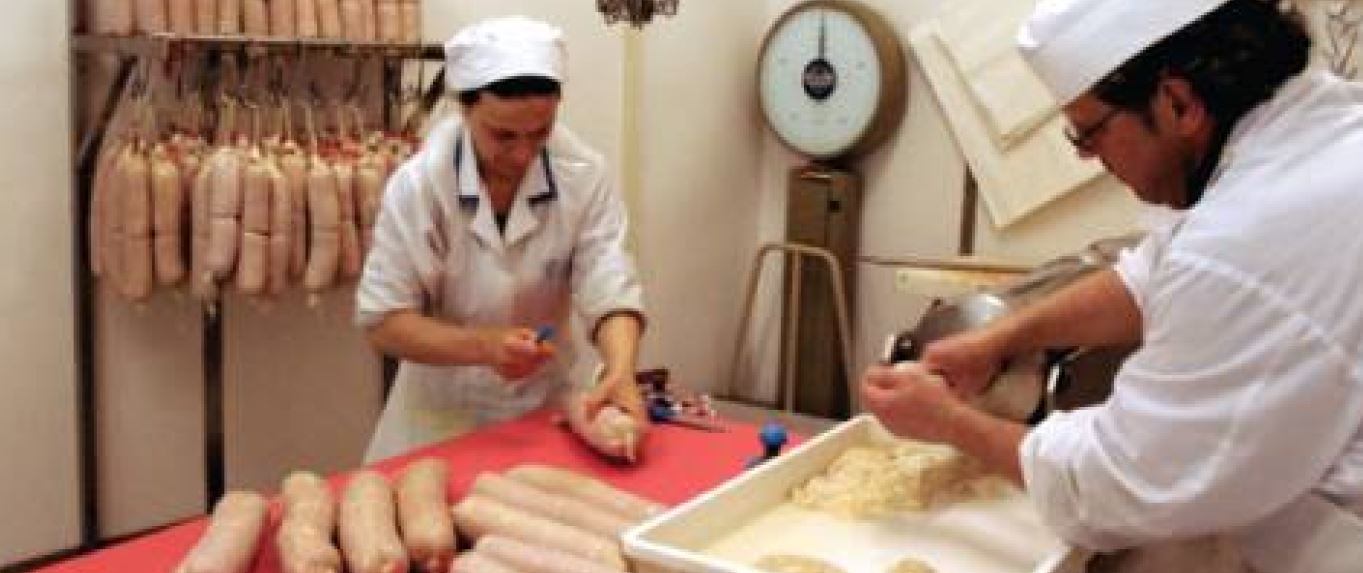
F.lli Lana Agricultural Company
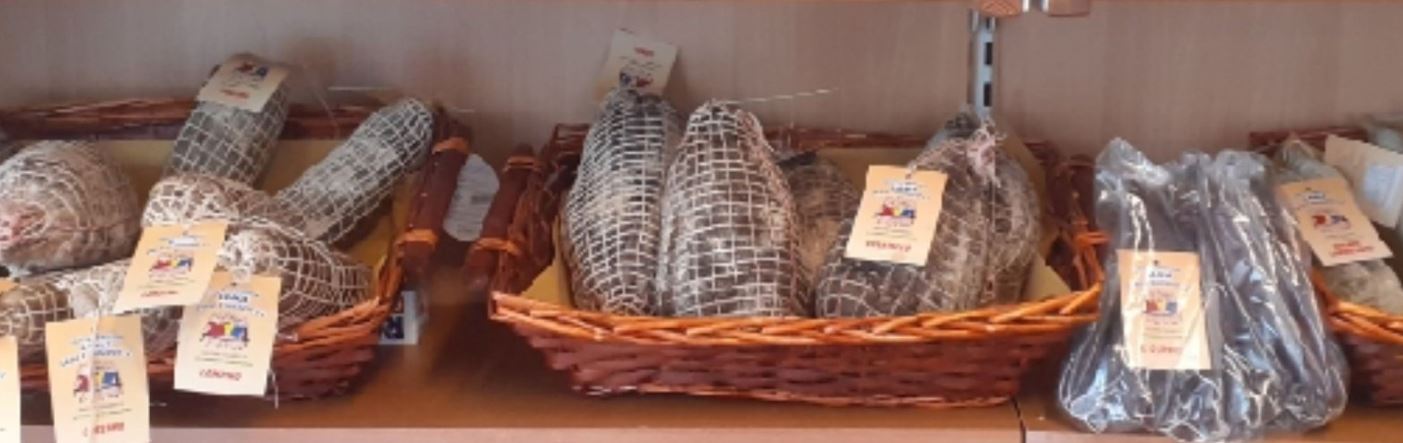
The strong connection to its origins has helped to consolidate the company’s reputation in the territory since its early years of activity.
Fratelli Lana Agricultural Company was established in Muccia, a small mountain town in the province of Macerata, Marche region. Its roots lie deep in the local rural traditions of the Umbrian-Marche inland, historically devoted to pig farming and the production of typical cured meats. Within this family farming context, the Lana family has passed down through generations the art of processing pork, transforming what was once a domestic practice into a true entrepreneurial activity.
The company was founded by the Lana brothers (with Carlo Lana as one of the prominent representatives) with the specific goal of enhancing this rural heritage of both the family and the territory.
Since its inception, set in the second half of the 20th century, the management has remained family-run, ensuring continuity between past and present. The founders built the business on the knowledge learned from their parents and grandparents, working within the local tradition and laying the foundation for the future involvement of their children in the company’s management.
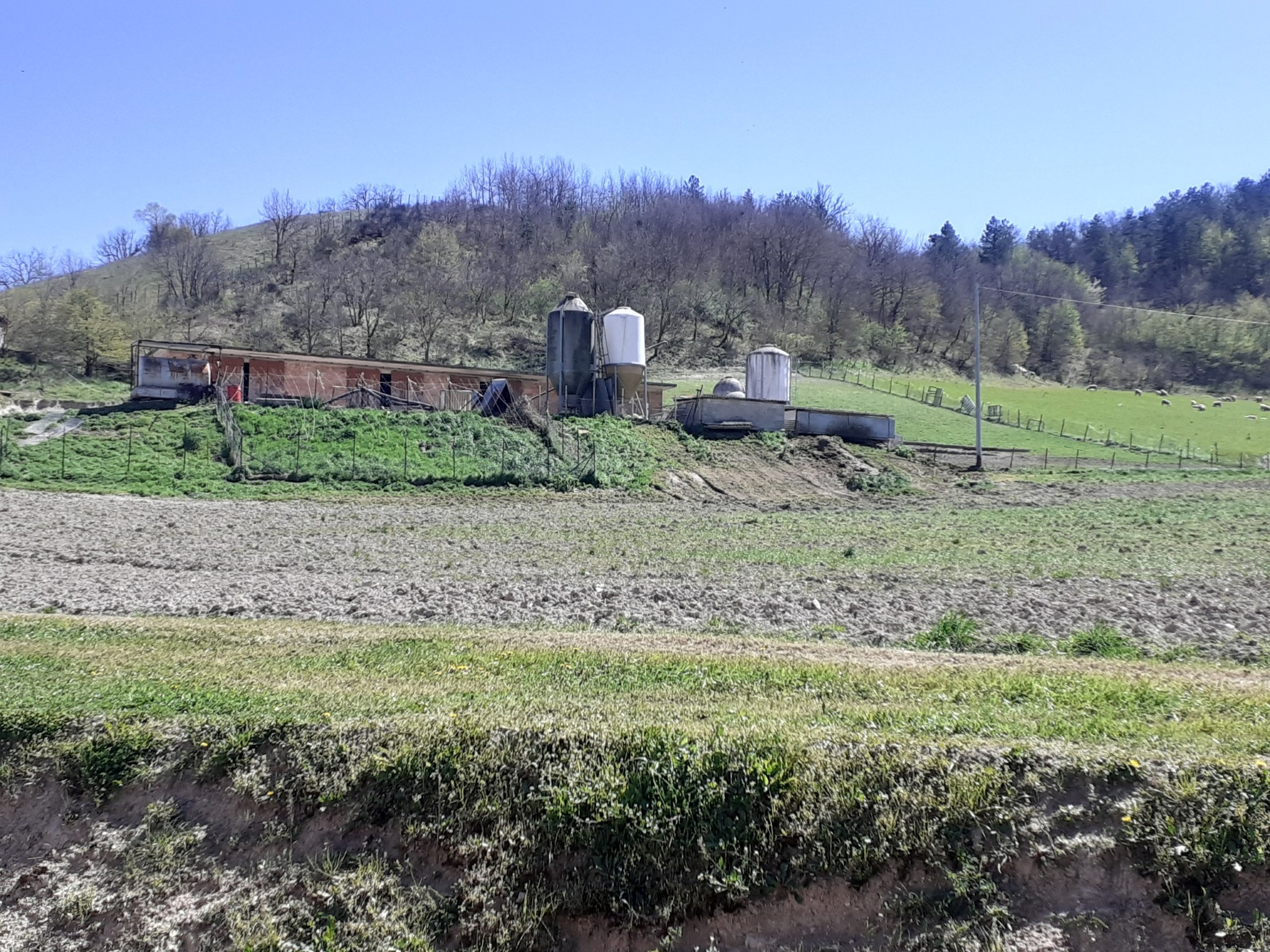
Faithfulness to traditional methods has allowed the company to preserve the flavors and processes of the past, making it a stronghold of local gastronomic culture.
The Fratelli Lana company specializes in Norcine traditions, the art of pig slaughtering and the preparation of cured meats typical from Norcia and the surrounding Apennine areas. Historically, the "norcini" (from Norcia) were itinerant butchers who traveled throughout central Italy to process pork and make cured meats following methods handed down over centuries.
This cultural influence has deeply marked the Muccia area and the Lana family as well: the techniques used by the company revive ancient gestures, from seasoning methods to natural curing. In artisanal workshops, the Lanas carefully follow the entire traditional cycle – the so-called "pista" – from slaughtering to preparing the cuts, all the way to stuffing and curing, maintaining the slow rhythms of the past.
A symbolic figure is Carlo Lana, recognized as a “very skilled local norcino”: he often takes part in public demonstrations during festivals and events, showing new generations the traditional phases of pork processing (as recently happened at the “Pista in Piazza” event in Muccia).
Among the typical products made by the company are:
-
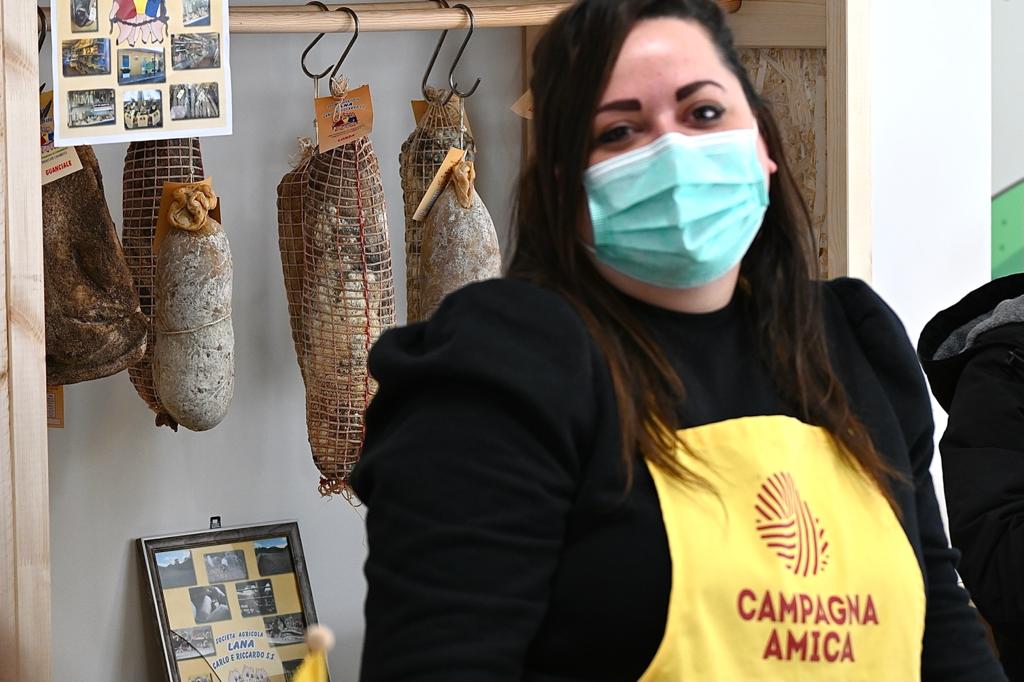
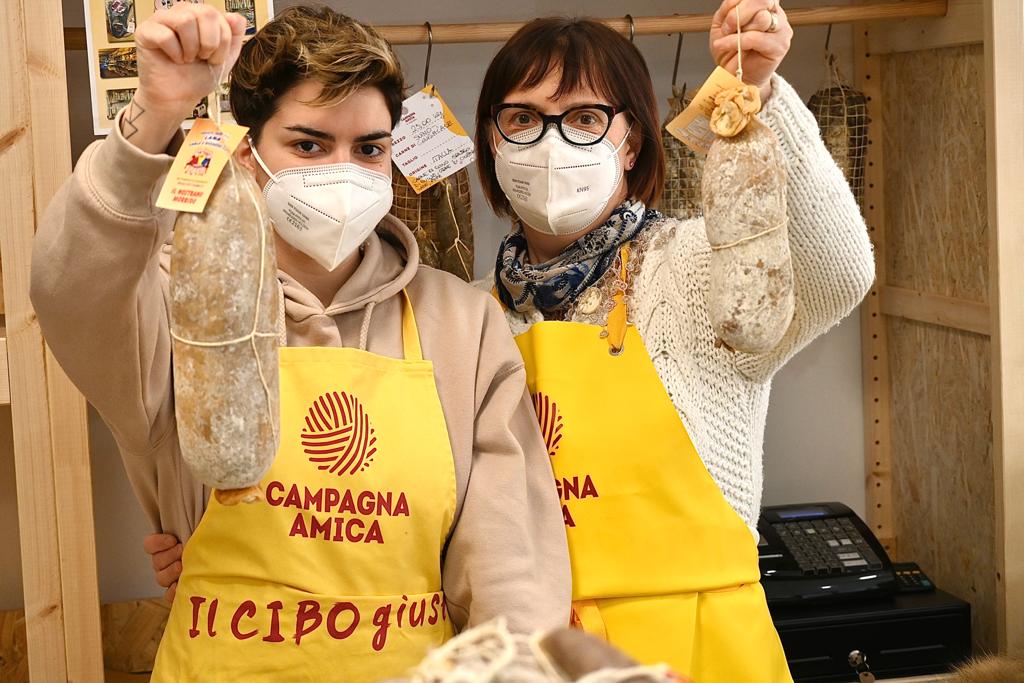
Ciauscolo IGP – the typical soft, spreadable salami from Marche, symbol of the peasant tradition of the Camerte area, made with selected meats (shoulder, bacon, ham) finely ground and seasoned with salt, pepper, and garlic, then stuffed and subjected to a long curing process until it reaches its characteristic soft texture;
-
Salamis and sausages – various cured meats with coarse or fine grind, produced with artisanal methods: from aromatic fresh sausages (often also preserved in lard) to intensely flavored aged salamis, made from mixtures with spices and wine according to local recipes;
-
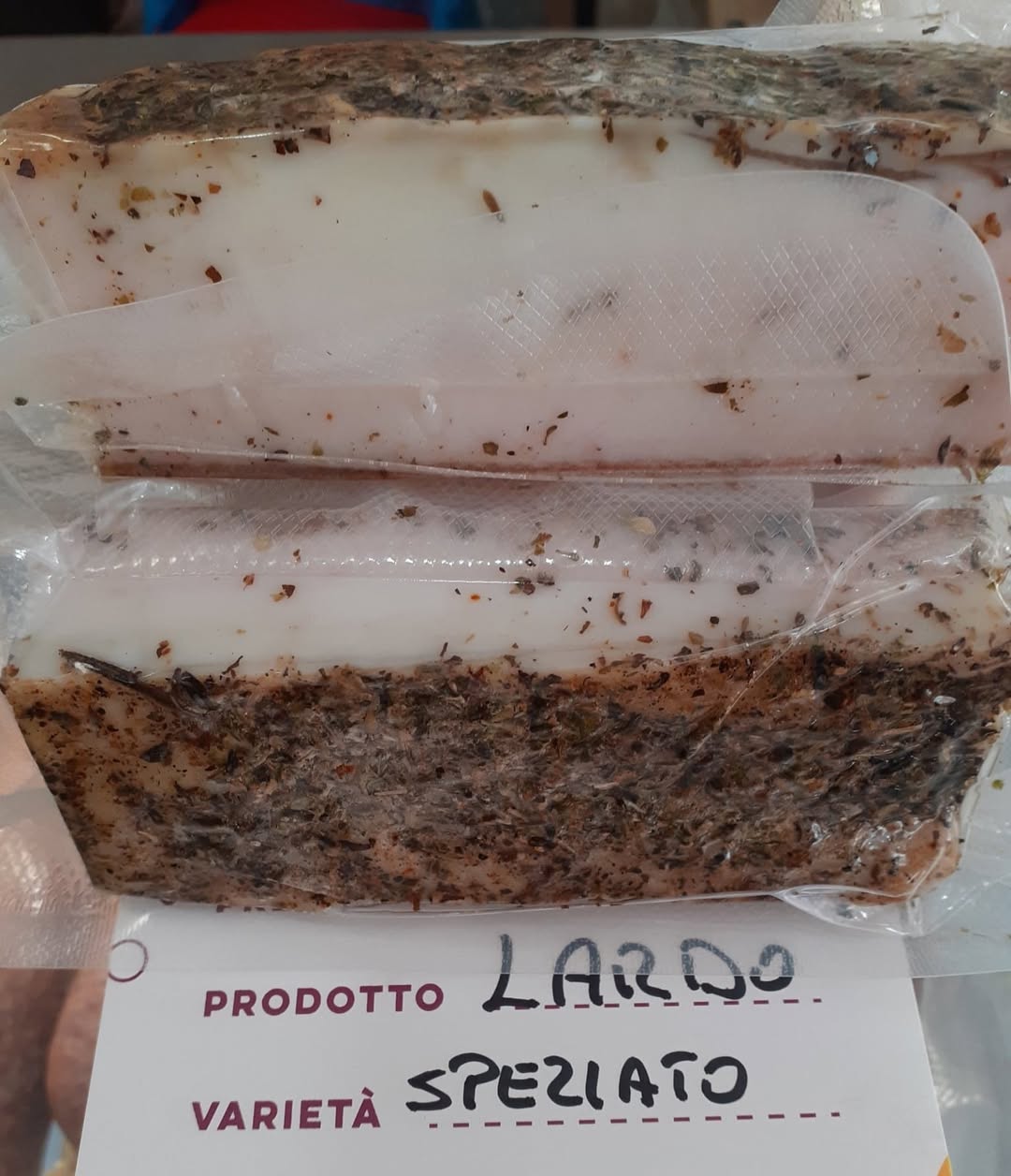
Hams and other cured meats – selected pork legs aged for many months in ventilated mountain environments, producing hams with a savory and genuine flavor, along with other typical cuts such as loin, coppa, bacon, and jowl, all salted and cured according to tradition to enhance their flavors.
The processing techniques reflect centuries-old customs: every phase, from “sfrollatura” (trimming) of the meat to drying and curing the salamis, is carried out with artisanal care and without industrial shortcuts.
The result is artisanal cured meats with an authentic taste, an expression of the Norcine know-how of Marche. The Norcine culture, born from the meeting of local rural civilization with the methods of the master butchers from Norcia, lives daily through the work of Fratelli Lana.
The products of Fratelli Lana are not just food, but stories of ancient customs: it is enough to think that even today, at the company, the winter period of the "maialatura" (the pig processing) is experienced as a collective ritual, just like it was in peasant families of the past.
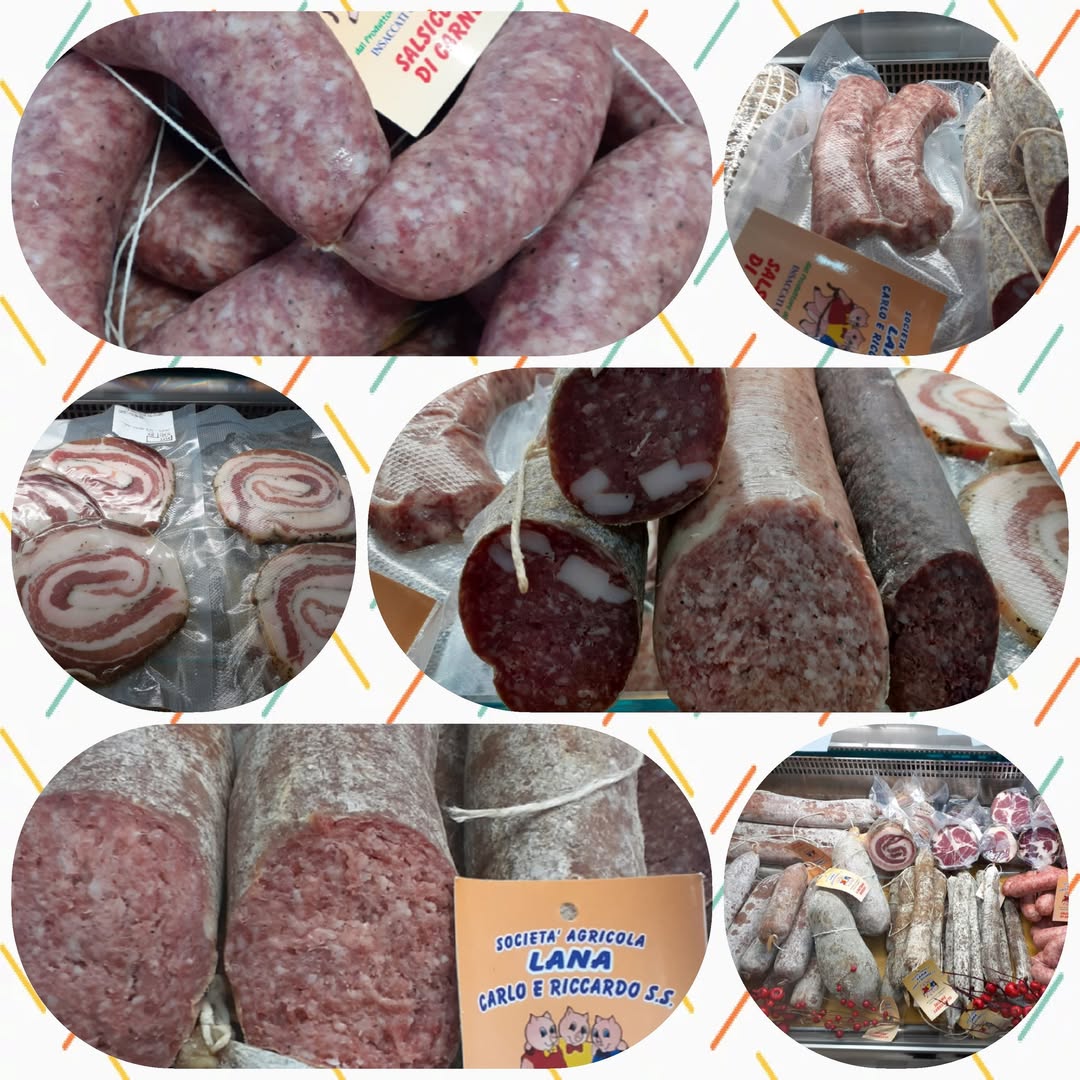
Today as in the past, its core values remain artisanal quality and a passion for butchery traditions elements that guide both its production and entrepreneurial spirit.
Over the years, the company Fratelli Lana has been able to evolve without betraying its identity.
A crucial moment in its recent history was the 2016 earthquake, which severely affected the Monti Sibillini area. Muccia is indeed one of the municipalities within the 2016 seismic "crater," and the farm had to face the consequences of this disastrous event. The damage to the structures and the logistical difficulties following the earthquake put the business to a severe test. However, the Lana family did not lose heart: with determination, they secured the production facilities and, where necessary, temporarily relocated them to provisional structures in order to guarantee production continuity.
Thanks to strong local roots and community support, the company managed to resume salami production relatively quickly, turning the challenge of the earthquake into an opportunity for resilience and renewed commitment. This event further cemented the Lana Brothers' bond with the territory and their desire to preserve its traditions: the reconstruction involved not only the buildings but also the social fabric around the company, which rallied around it recognizing its cultural as well as economic value.
At the same time, there have been important generational and entrepreneurial changes. The founding brothers gradually involved the new generation of the family in business activities, ensuring a smooth handover. The founders’ children and grandchildren, raised breathing in the aromas of the workshop and learning the secrets of the craft, now work alongside the elders, bringing new ideas in management and marketing. Although young, they are well aware of the knowledge heritage to preserve, and they contribute by introducing modern tools such as digital marketing and organizing experiential tastings for visitors.
The company has indeed expanded its entrepreneurial vision: besides supplying local butcher shops and private customers, it has started to gain recognition outside the region, participating in food fairs and establishing collaborations with direct sales networks of typical products. It has adopted new communication channels, maintaining, for example, an active official Facebook page where it shares updates and curiosities about daily production (a way to keep direct contact with customers and to tell its story beyond Muccia). This openness to dialogue with a wider public reflects the dynamic approach of the new generation, which combines tradition and innovation.
In summary, from its humble beginnings in the ranks of the local rural economy to the current extended family management, the story of Fratelli Lana is marked by continuity and adaptation. The company has overcome difficult moments—such as the devastation of 2016—and has been able to renew itself while staying true to its roots.
Fratelli Lana thus represent a piece of the gastronomic history of the Macerata territory: a family business that, through its cured meats, continues to tell the culture and resilience of an Apennine community connected to its ancient crafts.
Sources and links: Articles from local press, interviews, and publications about the territory have documented this journey (e.g., chronicles of food and wine events and post-earthquake reports). Further information and updates can be found on the official Facebook page of Fratelli Lana of Muccia.
Prodotti Tipici
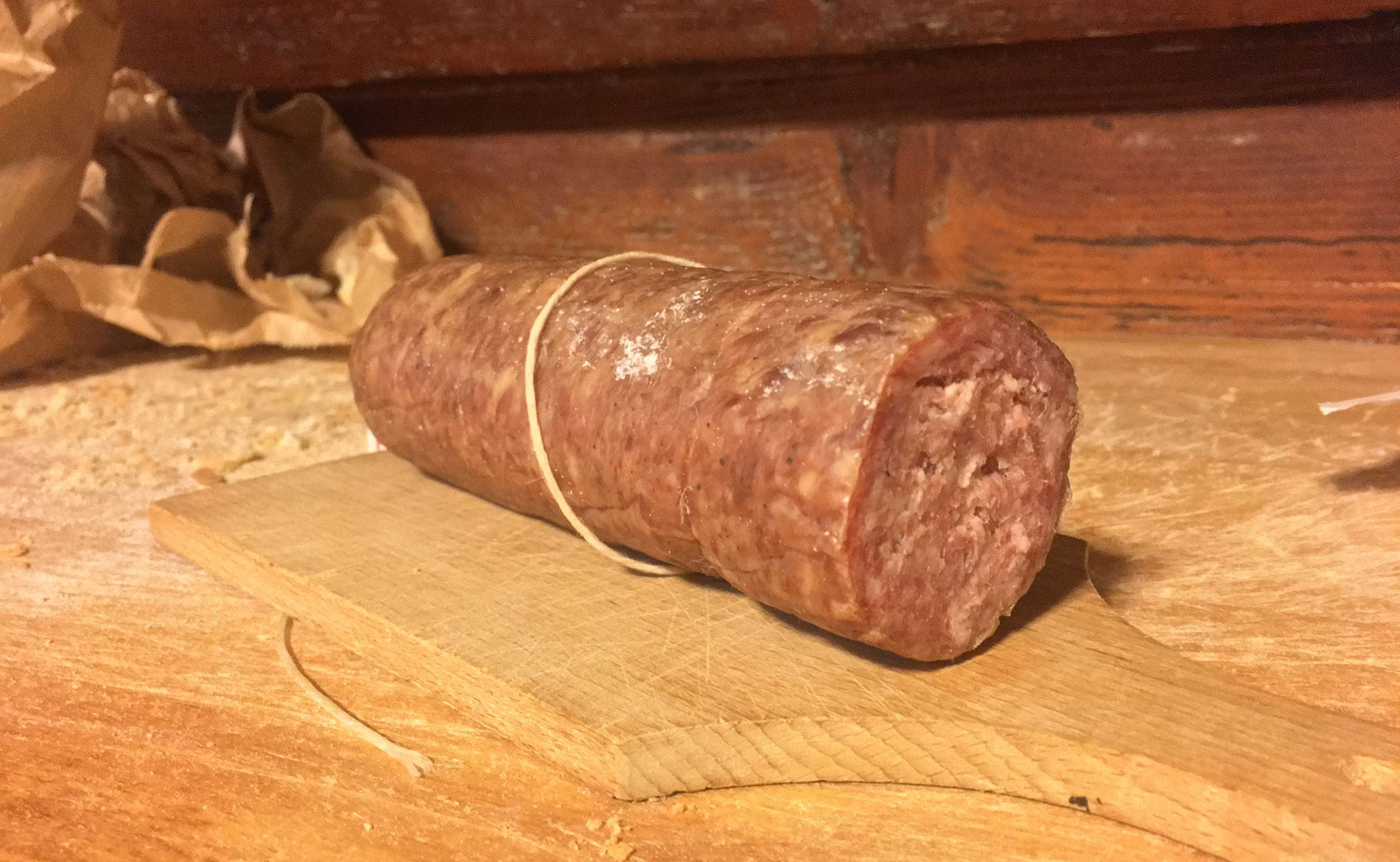
Muccia’s MorbidoThe “Morbido di Muccia” stands as a true culinary treasure of the Marche region, deeply rooted especially in the mountainous areas surrounding the town of Muccia.
This product is not merely a cured meat; it is a profound expression of local history, artisanal skill, and deeply established rural traditions. Its identity is intrinsically linked to the Marche mountains, where the homemade processing of pork remains a living and widespread practice.
This continuity of traditional methods within a modern context makes it a tangible symbol of the region’s culinary heritage.