Maddalena Locality
Details
The name of the locality Maddalena di Muccia comes from a private estate, Villa Maddalena, built in the 17th century by Cardinal Angelo Giori.
Maddalena has been an important hub since ancient times for pilgrims, travelers, and merchants. In this area, two major routes connecting the Marche and Umbria intersect: the Chienti Valley leading to Foligno, and the Valnerina, which passes through Visso and reaches Terni.
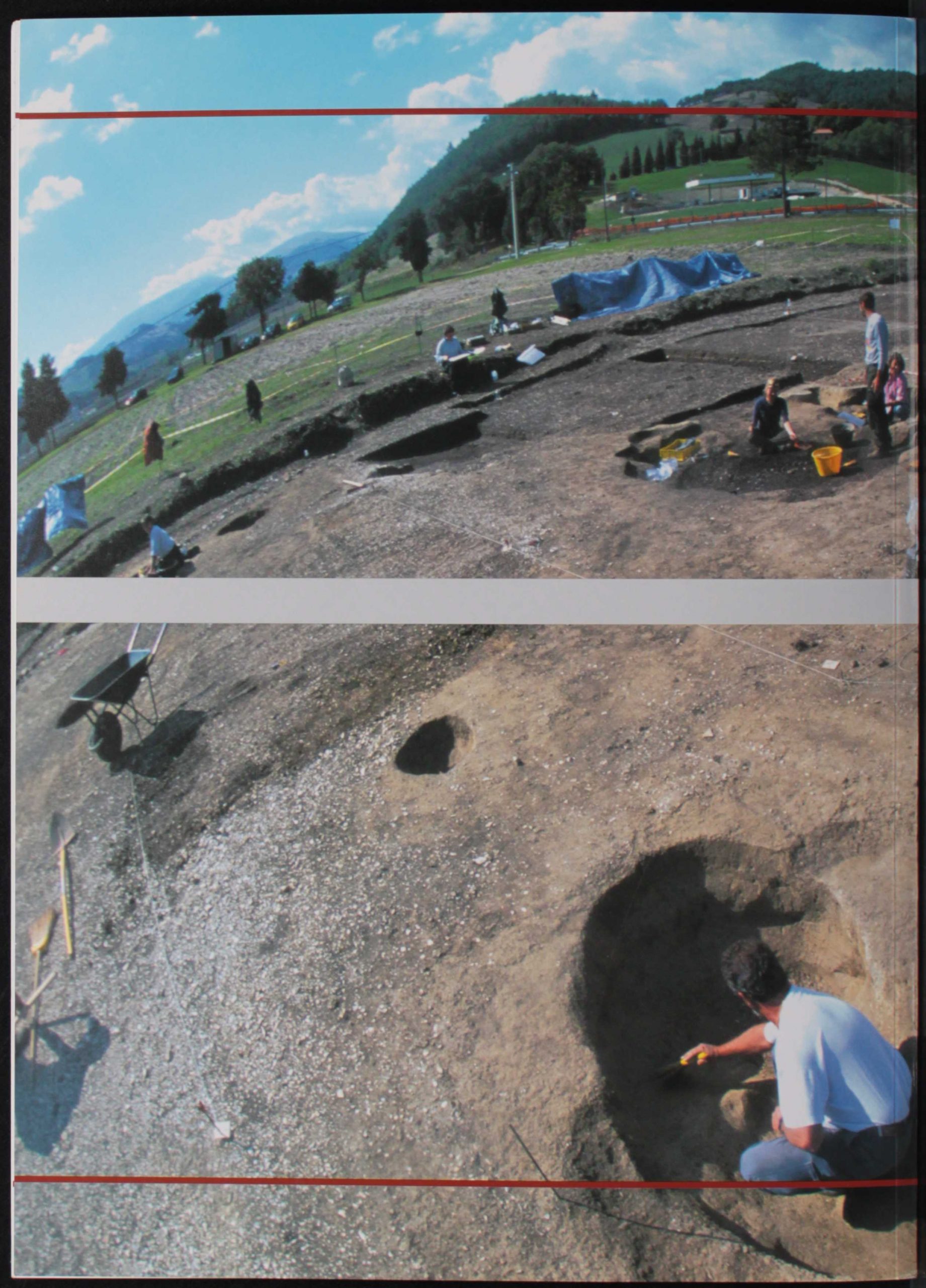
Thanks to archaeological excavations carried out by Delia Lollini in the 1960s, traces of a settlement dating back to the Neolithic period were discovered. (listen to Podcast)
Even today, Maddalena remains a strategic meeting point, offering various services and shops.
Multimedia Archive
Gli scavi di Maddalena di Muccia
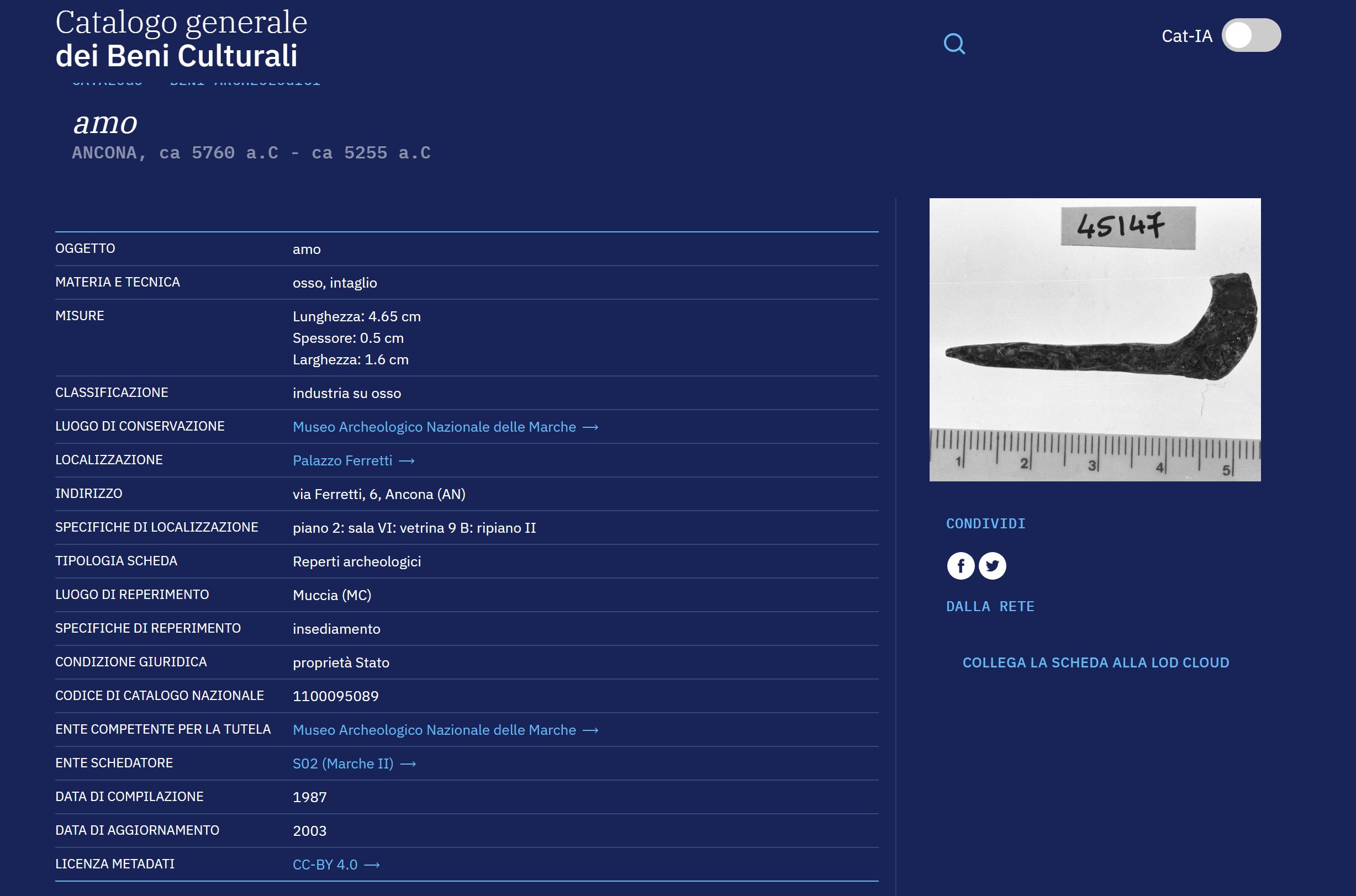
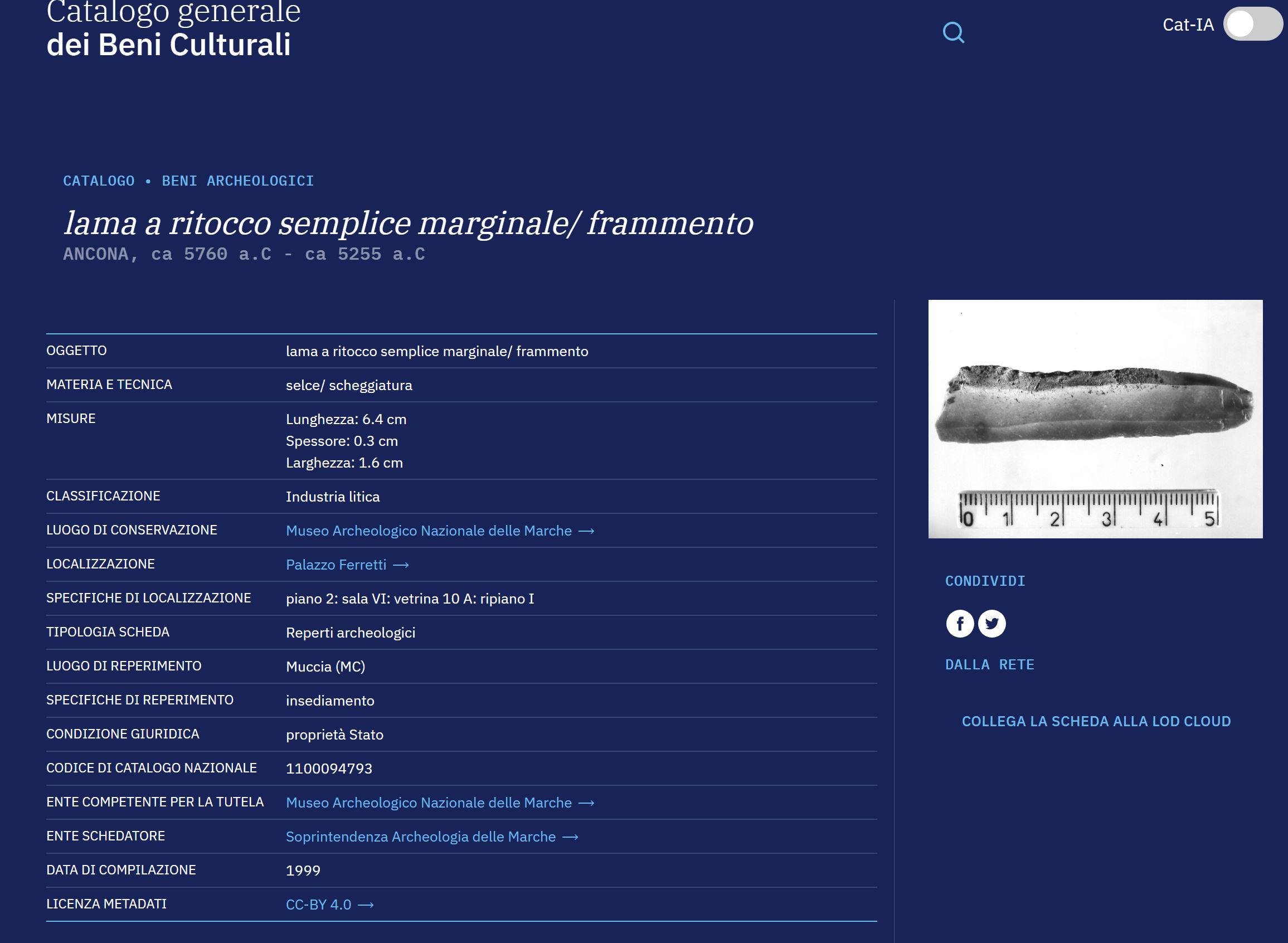
The Neolithic artifacts unearthed at the Maddalena di Muccia site are mainly on display at the National Archaeological Museum of the Marche, located in Ancona. This museum houses a vast collection of prehistoric artifacts, including decorated ceramics and stone tools from the excavations at Maddalena di Muccia.
The Neolithic at Maddalena di Muccia represents a significant chapter in the understanding of prehistoric life in the Marche region. Archaeological excavations conducted in the area have revealed the presence of settlements dating back to this period, providing valuable insights into population dynamics and the economic activities of Neolithic communities.
Settlement and Structures
At the Maddalena di Muccia site, remains of Neolithic dwellings have been identified, characterized by structures suggesting a complex spatial organization. Although the explored area is still limited, archaeological evidence points to a stable settlement, with traces of residential buildings and functional areas dedicated to specific productive activities.
Economic Activities and Material Culture
During the Neolithic, the population of Maddalena di Muccia primarily engaged in agriculture and animal husbandry, as evidenced by the discovery of polished stone tools, grinding stones, and cereal remains. Pottery production was a central aspect of their material culture, with decorated artifacts indicating contact with other communities on the Italian peninsula.
The use of obsidian and flint tools—some of non-local origin—indicates the existence of long-distance exchange networks. This confirms that the Maddalena di Muccia community was part of a broader economic and cultural system, with connections to both the Tyrrhenian and Adriatic areas.
Funerary Aspects and Rituals
Evidence of Neolithic burials is still limited, but some findings suggest the presence of ritual practices associated with death. The layout of the graves and the funerary goods found point to an evolution in beliefs related to the afterlife and the memory of the deceased, consistent with burial practices observed at other Neolithic sites in central Italy.
Conclusion
The Maddalena di Muccia site represents an important piece in the understanding of Neolithic settlement and cultural dynamics in the Apennine region. Ongoing research continues to provide essential data for reconstructing the history of the populations that inhabited this area, confirming its role as a cultural and commercial crossroads even in prehistoric times.